Mudjacking vs. Polyurethane Foam: Which Concrete Lifting Method Is Right for Your Colorado Home?
A sunken slab is a simple problem with two very different fixes. Mudjacking has been raising concrete for the better part of a century. Polyurethane foam injection is the newer method, and on the Front Range it's become the default recommendation for a reason that has nothing to do with marketing: Colorado's soil is already unstable, and one of these two materials makes that worse.
Here's both methods explained side by side, why weight matters more here than in most states, and how to know which one actually fits your property.
Both Methods, Side by Side
Mudjacking drills holes roughly 1 to 2 inches across into the slab, then pumps a heavy slurry of cement, soil, and water underneath until hydraulic pressure floats the concrete back up to grade. It's straightforward, well understood, and has been the standard slab-lifting method for decades.
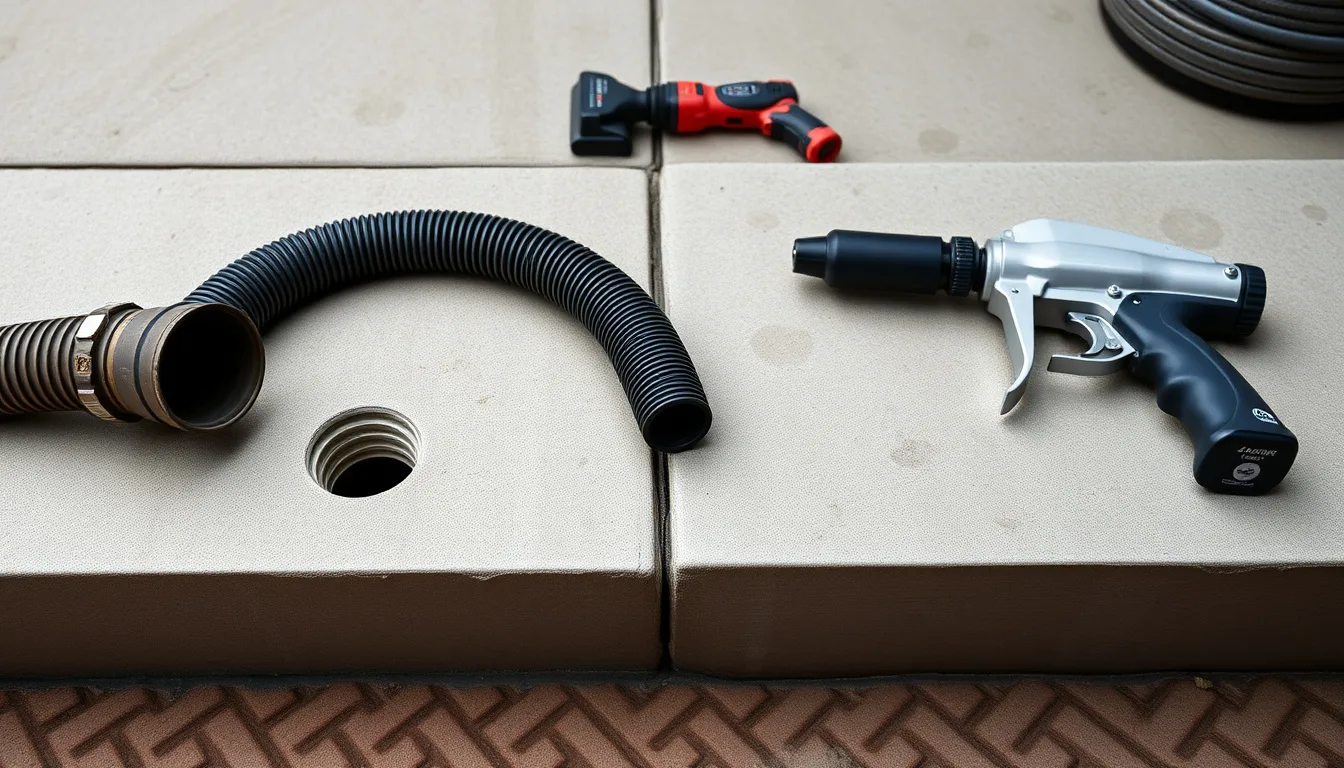
Polyurethane foam injection drills much smaller holes — about 5/8 inch, roughly dime-sized — and injects a two-part expanding polyurethane foam that reaches usable strength in around 15 minutes. The foam expands to fill voids and lift the slab in small, controlled increments, and the injection holes get patched with color-matched mortar when the job is finished.
- Hole size: Mudjacking 1–2 inches vs. polyurethane foam ~5/8 inch (dime-sized)
- Cure time: Mudjacking 1–3 days vs. polyurethane foam ~15 minutes
- Material weight: Mudjacking 100+ lb per cubic foot vs. polyurethane foam ~2 lb per cubic foot
- Typical lifespan: Mudjacking 5–10 years vs. polyurethane foam effectively permanent (inert, waterproof)
- Cost: Mudjacking lower per sq ft vs. polyurethane foam higher per sq ft
Why Weight Matters More in Colorado Than Most States
This is the part a generic, national concrete-lifting article won't tell you, because most states don't have the soil problem Colorado has.
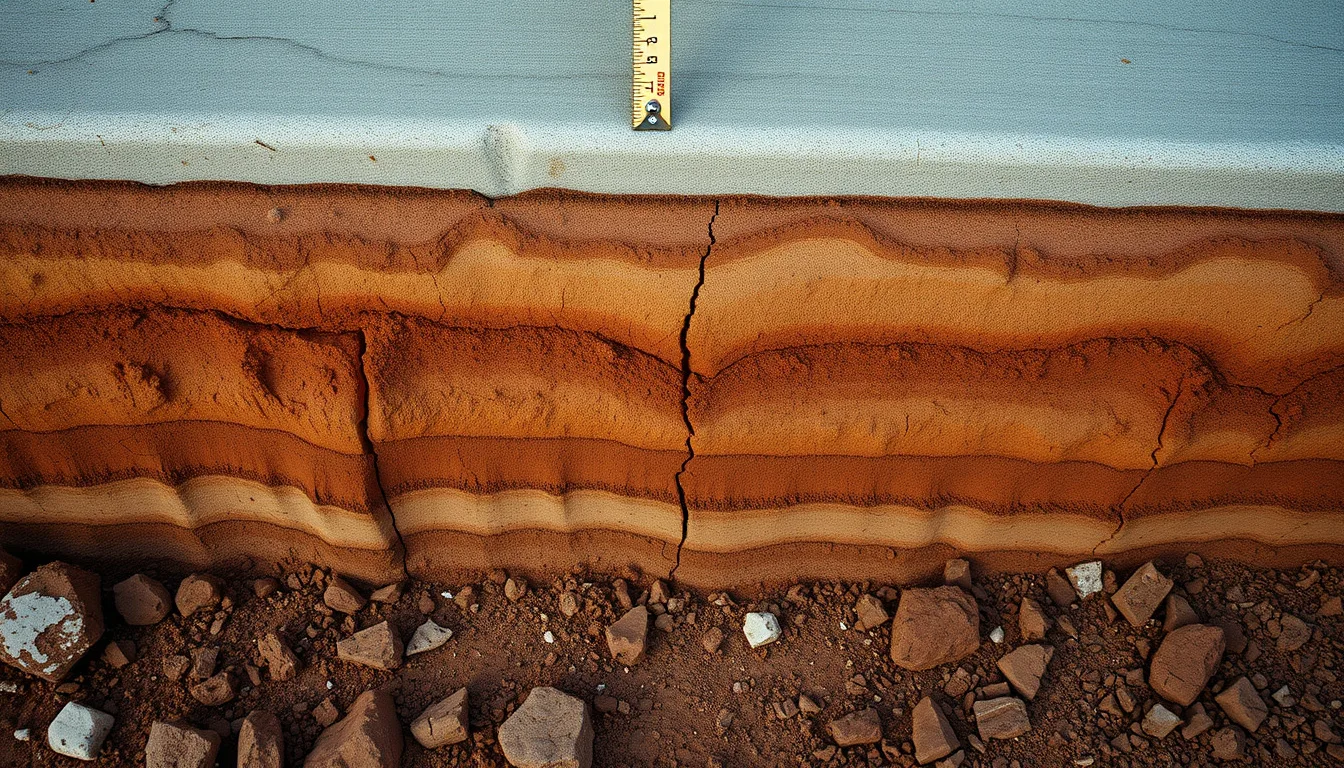
The Front Range — Denver metro, Colorado Springs, and Pueblo — sits on Pierre Shale and bentonite-bearing claystone. The clay mineral responsible for the trouble is montmorillonite, commonly called bentonite in Colorado geotechnical and homeowner conversation. It swells dramatically when it absorbs moisture and shrinks when it dries, and that swell-shrink cycle produces documented seasonal ground movement of roughly 2 to 6 inches in affected Front Range areas — enough to crack foundations, buckle flatwork, and heave pavement even on properties where the house itself sits on a solid, engineered foundation.
That last detail matters: Denver-area homebuilders have long used drilled pier foundations that extend through the expansive clay layer into stable bedrock. But exterior flatwork — driveways, walks, patios, garage slabs — is essentially never on piers. It sits directly on the same shifting clay that the house foundation was engineered around, which is exactly why driveways and patios heave and crack even on homes with a technically sound foundation.
When a slab has sunk into soil that's already unstable, pumping 100-plus pounds per cubic foot of mudjacking slurry on top of that same soil reloads the problem. You're asking clay that's already swelling and shrinking unpredictably to now also support a heavier slab than it did before. Polyurethane foam, at roughly 2 pounds per cubic foot cured, lifts the slab back to grade without meaningfully adding to the load the soil has to carry. On stable, well-drained ground that distinction matters less. On Front Range expansive clay, it's close to the whole decision.
Longevity: Inert Foam vs. Erodible Slurry
Cured polyurethane foam is closed-cell, waterproof, and chemically inert. It doesn't shrink, break down, or wash out, so a foam lift is generally considered effectively permanent as long as the surrounding soil conditions don't change dramatically.
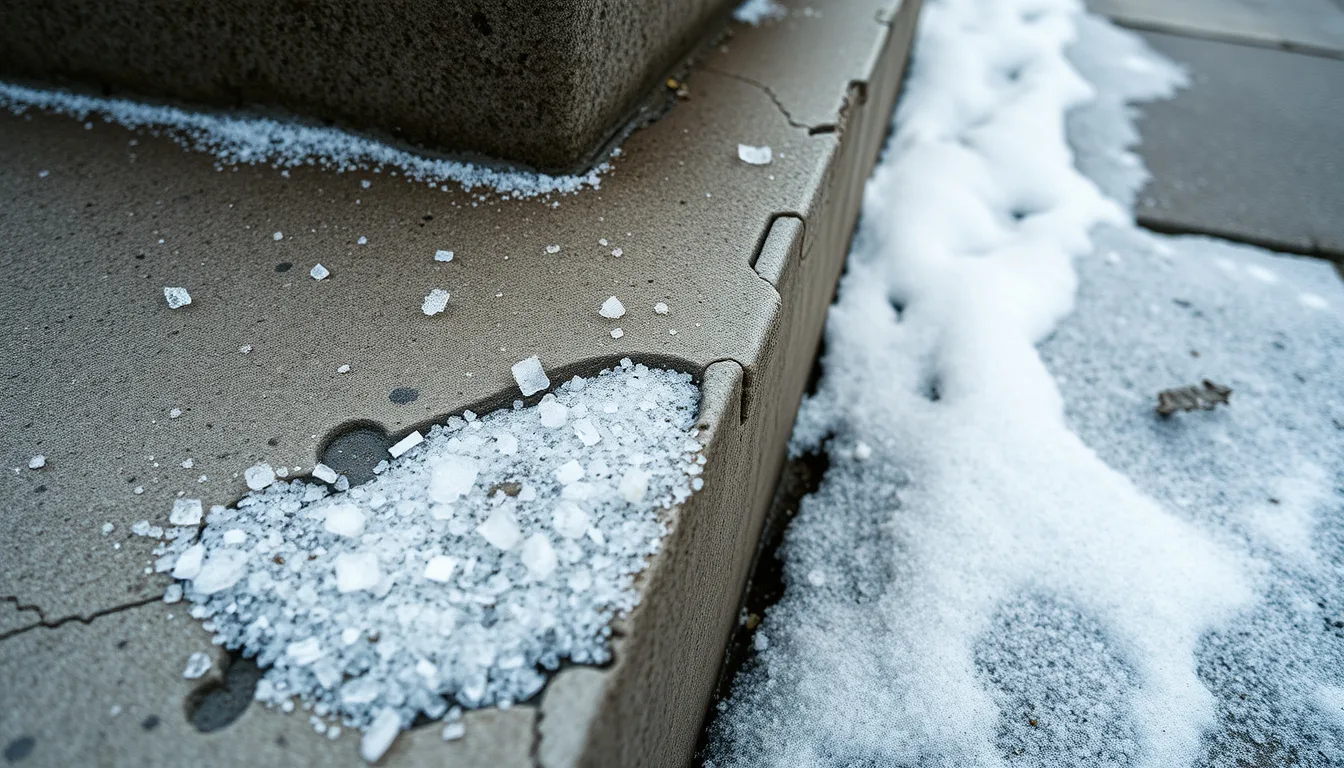
Mudjacking slurry is a cement-soil-water mix, and it's both heavier and more erodible than foam. Slurry-lifted slabs commonly need to be redone within about 5 to 10 years, both because the material itself degrades over time and because Colorado's freeze-thaw cycling — averaging roughly 149 cycles a year on the Front Range — repeatedly stresses a material that isn't waterproof to begin with. Foam's closed-cell structure sidesteps that freeze-thaw erosion entirely, which is a genuine durability edge in a climate that cycles through freeze and thaw as often as Colorado's does.
Cost Comparison — and When Mudjacking Is Still the Smart Call
Mudjacking is typically the lower up-front cost per square foot. Polyurethane foam costs more per square foot but usually lasts far longer and requires fewer repeat visits, so the honest comparison isn't the sticker price — it's total cost over the years you'll actually own the property.
That said, mudjacking remains a reasonable choice in specific situations: on more stable, well-drained ground away from the most active expansive-clay zones, on large-volume void fills where raw material cost matters more than long-term stability, or on a property you don't plan to hold for the next decade. It's a legitimate tool, not an outdated one — it's just not the default answer on Front Range clay anymore.
We quote both options from an on-site inspection so you can compare the real numbers for your specific slab rather than a generic per-square-foot estimate.
The Honest Caveat: Either Method May Need a Follow-Up
No lifting method — mudjacking or foam — stops expansive clay from continuing to swell and shrink seasonally. If the soil underneath keeps cycling through severe wet-dry swings, even a foam-lifted slab can need a future re-leveling. That's not a flaw in either method; it's the nature of building on Pierre Shale.
What actually helps between repairs is controlling water at the source — managing irrigation, downspout discharge, and grading near driveways, patios, and foundations so the clay underneath isn't repeatedly saturated and dried. We build a drainage assessment into every lifting job for exactly this reason, and if your property looks like one of the more active expansive-soil sites where a follow-up releveling is a real possibility, we'll tell you that upfront rather than after the fact.
How We Diagnose Which Method Fits Your Property
An honest recommendation starts with an inspection, not a phone quote. We look at how far the slab has settled or heaved, how firm the soil is underneath, whether the movement pattern points to expansive clay, freeze-thaw frost heave, or a combination of both, and what the slab is used for — a garage floor or interior transition, for instance, is realistically a foam-only job given the fast cure time. From there we give you a fixed price for the method that actually fits the ground under your concrete, not just the cheapest hole to drill.
FAQ
What's the difference between mudjacking and polyurethane foam lifting?
Mudjacking pumps a heavier cement-and-soil slurry through 1–2 inch holes and needs roughly 1–3 days to cure; polyurethane foam injection uses expanding lightweight foam through dime-sized (about 5/8 inch) holes and reaches usable strength in around 15 minutes. On Colorado's already-unstable expansive clay, the foam's much lighter weight matters — it doesn't add significant new load to soil that's already moving.
Which method lasts longer, mudjacking or polyurethane foam?
Polyurethane foam is inert, closed-cell, and waterproof, so it doesn't break down, wash out, or add weight over time; mudjacking slurry is heavier and more erodible and commonly needs redoing within about 5–10 years. On Colorado's freeze-thaw and expansive-soil combination, foam's durability advantage is especially valuable.
Is mudjacking or polyurethane foam better for a slab on expansive clay?
Polyurethane foam is generally the better fit on active expansive-soil sites specifically because it's lightweight — roughly 2 lb per cubic foot versus 100-plus lb for slurry — and won't reload soil that's already prone to swelling and shifting. Mudjacking remains a reasonable lower-cost option on more stable ground or larger-volume void fills where cost matters more than long-term stability.
How much does concrete lifting cost — mudjacking vs. foam?
Mudjacking is typically the lower up-front cost per square foot, while polyurethane foam costs more per square foot but usually lasts far longer and requires fewer repeat visits. We quote both options from an on-site inspection so you can compare total cost over time, not just the initial number.
Get a Straight Answer for Your Slab
Every sunken or heaved slab on Front Range clay is a little different, and the right method depends on what's actually happening in the soil underneath — not a generic rule of thumb. We offer free inspections statewide, from Denver and Colorado Springs to Fort Collins, Boulder, and Pueblo, and we'll give you a fixed price for the method that fits your property.
Get in touch through our contact form for a free concrete lifting inspection anywhere in Colorado.
Ready for a real number?
Free inspections statewide — measured on site, fixed price before any drilling starts.